
Commercial solar PV and battery storage: a practical view
6 min read
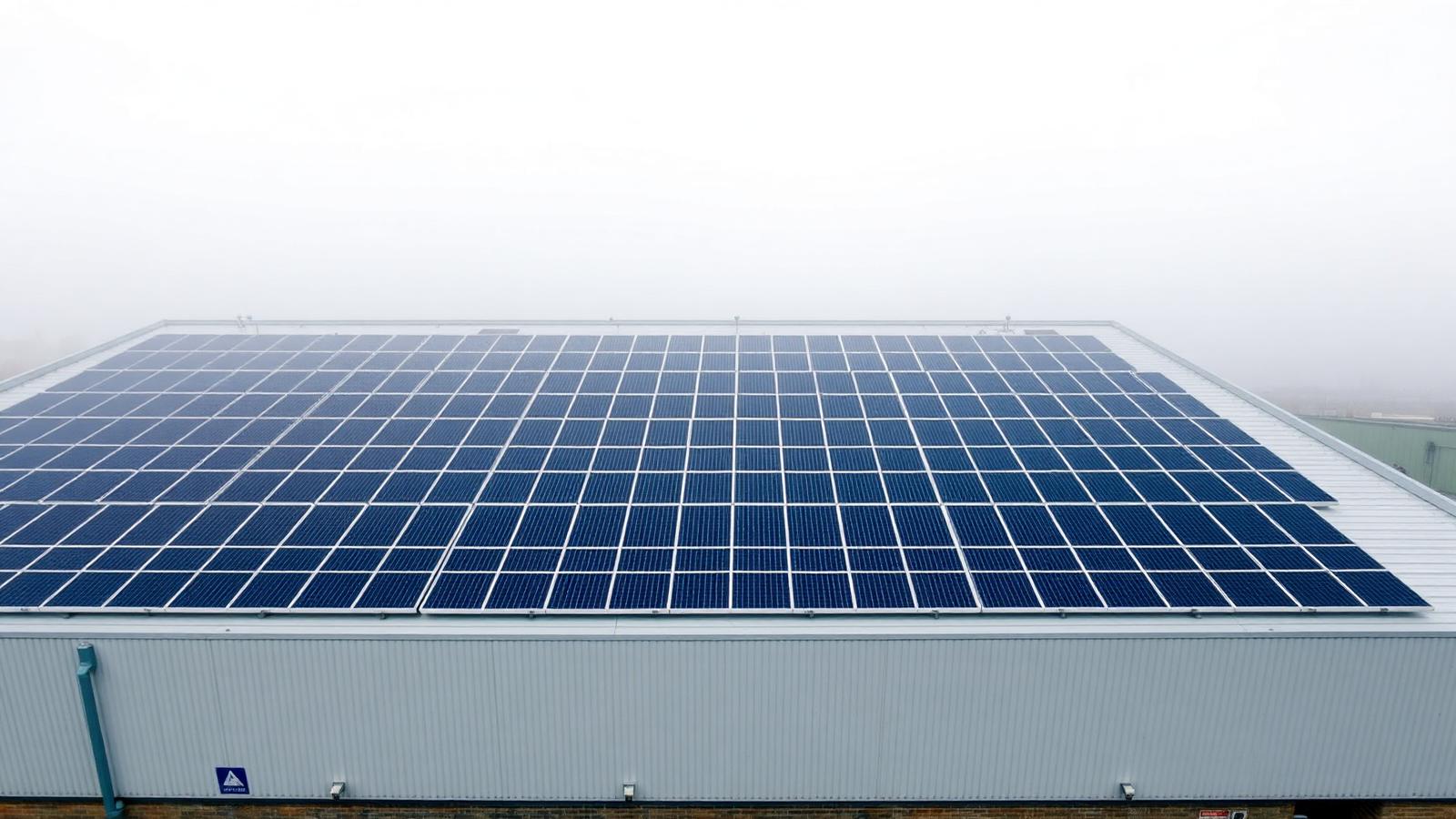
Solar PV on a commercial roof is an electrical infrastructure project with panels on top. The generation figures are the easy part; the return depends on how the energy is used and how the building is connected.
Self-consumption beats export
Electricity used on site displaces the full import tariff. Electricity exported earns a fraction of it. The strongest business cases are buildings that consume power during daylight hours, such as manufacturing, warehousing, schools and care settings.
Roof and structure
Orientation, shading, roof age and structural loading all need checking before array size is fixed. Installing panels over a roof covering that is due for replacement is a costly sequencing error.
Grid connection
Systems above the small-scale threshold need G99 approval from the Distribution Network Operator, and export limitation may be applied where the local network is constrained. This is agreed before installation, not after.
Where batteries help
Storage shifts surplus generation into the evening, supports peak shaving on demand-charged tariffs, and can provide resilience for critical loads. It should be sized against measured consumption data, not the array size.
Monitoring
Generation, consumption and export should all be metered and visible. Without monitoring, an underperforming string or a failed inverter can go unnoticed for months and quietly remove the saving the system was bought for.