
Landlord electrical safety obligations in England
5 min read
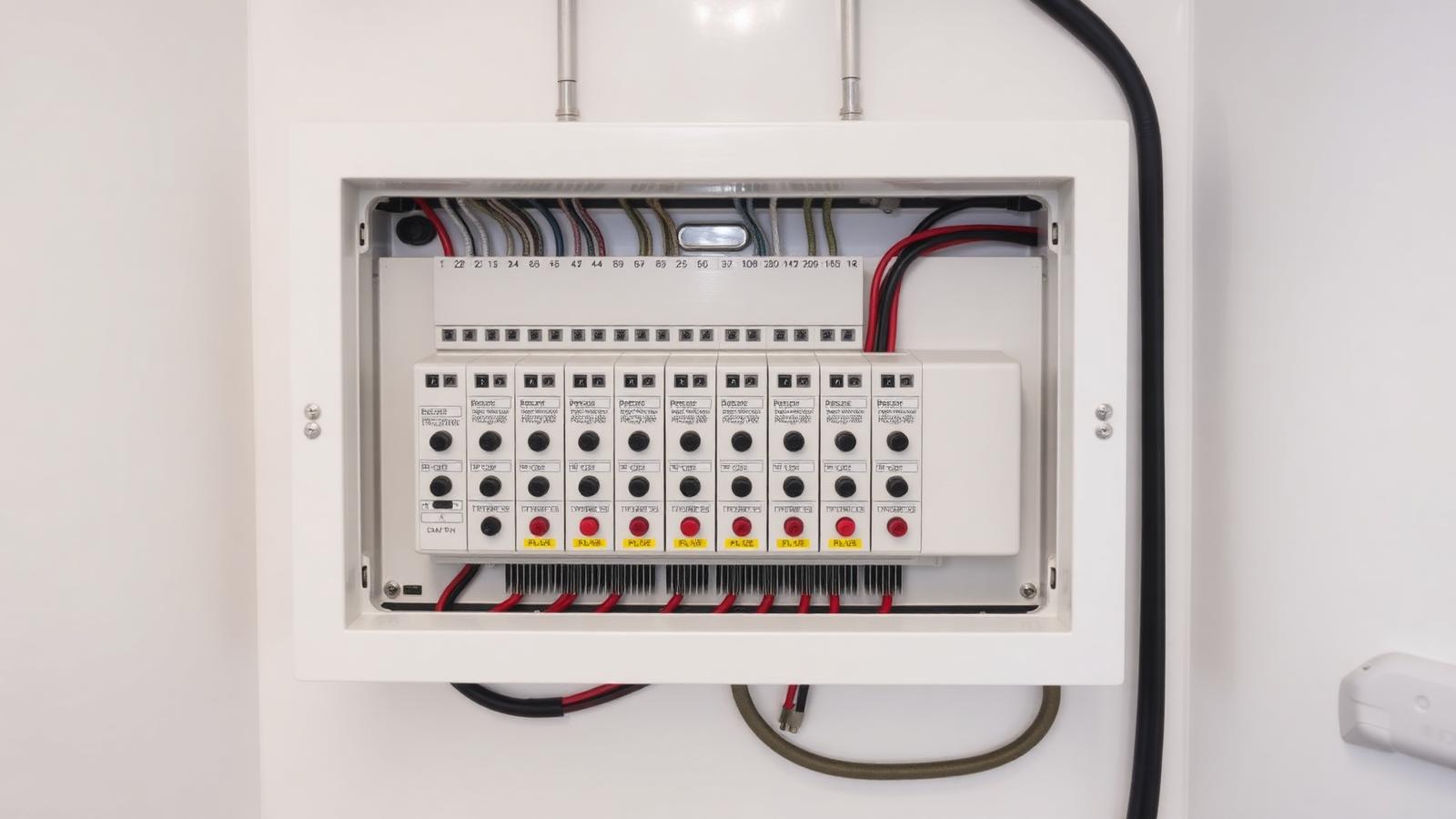
Landlords of residential property in England have specific electrical duties in law. They are not onerous, but the deadlines are firm and non-compliance carries financial penalties.
Five-yearly inspections
The Electrical Safety Standards in the Private Rented Sector (England) Regulations 2020 require fixed electrical installations to be inspected and tested at least every five years, and at the start of a new tenancy where the existing report has expired.
Who can carry out the work
Inspection and testing must be undertaken by a qualified and competent person. Using an accredited contractor gives both a defensible audit trail and a report that local authorities will accept without challenge.
Acting on the findings
Where a report records C1, C2 or FI items, remedial work must be completed within 28 days, or sooner if the report specifies. Written confirmation of completion then goes to the tenant and, on request, to the local authority.
Distributing the report
A copy goes to existing tenants within 28 days, to new tenants before occupation, and to prospective tenants within 28 days of a request. Local authorities can require a copy within seven days.
Portable appliances and alarms
Any appliance supplied with the property should be safe and is commonly covered by PAT testing. Smoke and carbon monoxide alarm duties sit under separate regulations and are usually checked at the same visit for efficiency.
Penalties
Local authorities can impose financial penalties of up to £30,000 for breaches. Planning inspections into a portfolio calendar is considerably cheaper than responding to enforcement.